Table of Contents
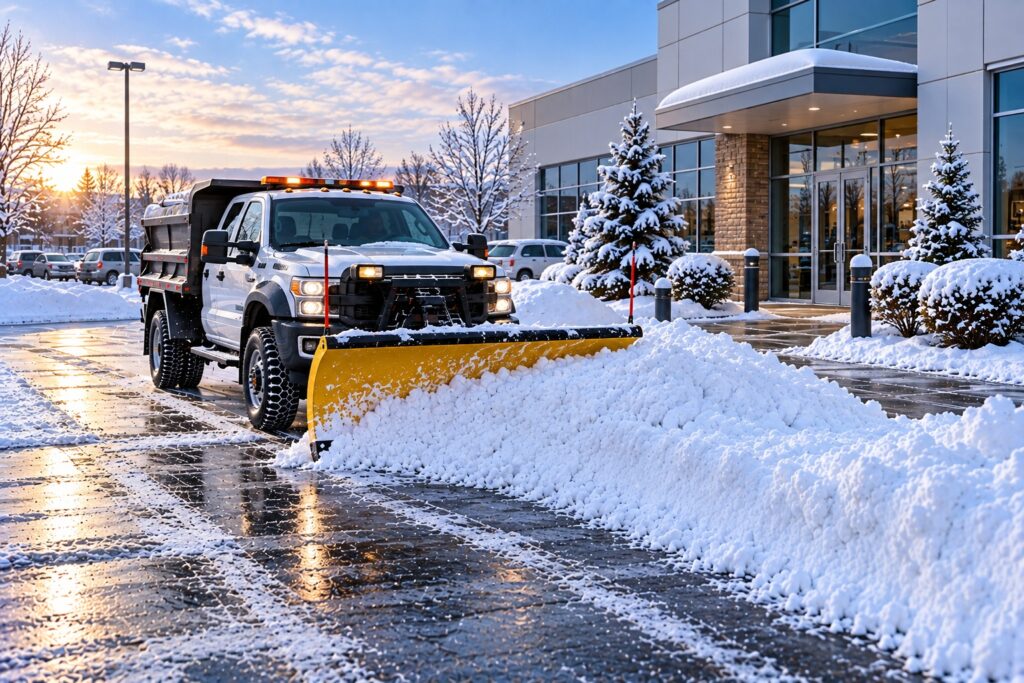
Signing a winter service agreement can feel like buying insurance for weather you cannot predict. You hope you never need the full strength of it, but when a lake-effect band parks over the city at 2 a.m., the paper you signed in October decides whether your lot is open by sunrise. Many property managers learn this the hard way, usually after a missed corner, a surprise invoice, or a crew that was nowhere to be found during the worst hour of the storm. At Marble Landscaping, we care for outdoor spaces across the Buffalo area in every season, and we have reviewed enough agreements to know which details matter. This guide walks you through a clear method for choosing a Commercial Snow Removal contract, from defining your needs to comparing bids and negotiating fair terms. It is general information, not legal advice, so have an attorney review anything you plan to sign.
Start With What Your Property Actually Needs
Before you request a single quote, spend an afternoon describing your site. A strip plaza with a busy anchor tenant has different needs from a quiet office park, and a medical building has different priorities than a warehouse that sees a few trucks a day. When you begin looking at Commercial Snow Removal Buffalo NY options, bring this description with you so every bidder is pricing the same job. Gather the following:
- Total paved area, including drive lanes, parking, loading docks, and walkways
- Hours of operation and the earliest time people arrive
- Areas that must be cleared first, such as entrances, fire lanes, and accessible routes
- Spots where snow can be stored without blocking parking or drainage
- Known problem areas, such as low corners, steep ramps, or tight turns
A one-page site summary with a rough map saves time and prevents vague quotes.
The Five Parts of a Contract That Matter Most
Contracts can run many pages, but most of the real value sits in five places. When you evaluate any Commercial Snow Removal agreement, read these sections first:
- Scope: exactly which areas will be cleared and which are excluded
- Triggers: the snowfall or ice conditions that start service
- Timing: how fast crews arrive and when work must be finished
- Pricing: how you are billed and what can change the bill
- Risk: insurance, indemnity, and who is responsible if something goes wrong
If these five parts are clear, the rest tends to fall into place. If any of them is vague, ask for revisions before moving forward, since vague language usually favors the party that wrote it.
Pricing Models and What Each One Really Means
Price is only useful when you understand the structure behind it. The most common options each shift risk in a different direction.
- Per-event pricing: you pay for each visit, so a mild winter costs less and a harsh one costs more
- Seasonal flat fee: a fixed amount for the winter, which makes budgeting simple but may hide limits on the number of visits
- Per-inch or tiered pricing: the rate rises with snowfall depth, which can be fair but needs clear measurement rules
- Hybrid plans: a base fee plus adjustments for heavy storms or extra services
When comparing Commercial Snow Removal bids, ask each contractor to run through a sample winter, such as a light season and a heavy one, and show what you would have paid. A bid that looks cheap in one scenario can look expensive in the other. Also confirm whether salt, sidewalk work, hauling, and after-hours calls are included or billed separately.
Triggers, Response Times, and Service Windows
A trigger is the condition that sends crews out. Many properties use a snowfall depth, but others add ice or drifting as triggers. The right setting depends on how your property is used, since a clinic that opens at seven may need service at a lower depth than a storage yard. Providers of Commercial Snow Removal Buffalo NY should be willing to explain why they recommend a certain trigger instead of simply naming one. Ask these questions:
- How soon after the trigger will crews arrive?
- Will the lot be finished before opening, and what happens if the storm runs long?
- Do crews return for repeat passes during extended events?
- How are overnight and holiday storms handled?
Write the answers into the contract in plain language, with specific times wherever possible.
Scope, or What Is and Is Not Included
Scope disputes cause more friction than almost any other part of winter service. A crew may believe the sidewalks are yours while you assumed they were included, or a loading dock may be left out because no one mentioned it. The fix is a simple map attached to the agreement, with each area labeled as included or excluded. A well-written Commercial Snow Removal scope usually addresses parking stalls, drive lanes, entrances, ramps, sidewalks, dumpster pads, and loading areas, along with where snow will be stacked. Add notes about hand work, such as stairs, tight corners, and spaces around bollards, because it is slower and often priced separately. Clear scope protects both sides, since everyone knows what success looks like.
Insurance, Liability, and Indemnity Basics
Insurance is not the exciting part of a contract, but it is the part you will be glad you checked. Ask for certificates of insurance that cover snow and ice work, and confirm the coverage amounts with your own insurance agent. When you review Commercial Snow Removal Buffalo NY agreements, look for these items:
- General liability coverage that applies to winter operations
- Auto coverage for plow vehicles
- Workers’ compensation for crew members
- Clear language about who is responsible for damage to pavement, curbs, and landscaping
- Indemnity clauses that are fair to both parties and reviewed by an attorney
Be careful with contracts that shift nearly all risk onto one party. The details vary by situation, so professional advice is worth the small cost.
Salt, De-Icing, and Material Use
Clearing snow is only half of keeping a lot safe. Ice forms after the blade passes, especially when temperatures swing near freezing. A good contract explains which de-icing materials will be used, when they are applied, and how usage is billed. Ask whether the crew can adjust materials for very low temperatures, and how they protect concrete, entry mats, and nearby plants. If your property has sensitive surfaces, such as stamped concrete or natural stone, say so in writing.
Subcontractors and Crew Capacity
Some providers use their own crews, while others hire subcontractors during busy storms. Neither approach is automatically bad, but you should know which one applies. When you compare Commercial Snow Removal Buffalo NY bids, ask how many properties each truck serves, whether backup equipment is available, and how subcontractors are screened and insured. A company stretched across too many sites may promise fast service but struggle when every client calls at once. Honest answers about capacity are a good sign, even when they are not what you hoped to hear.
Reporting and Proof of Service
Records turn opinions into facts. Ask how the contractor documents each visit: arrival and departure times, areas cleared, materials applied, and photos if possible. Many crews use simple digital logs or messages after each storm. Reliable Commercial Snow Removal providers are happy to share this information, since it protects them as much as it protects you. Decide in advance how you will receive reports and who will review them, so problems are caught quickly.
Red Flags to Watch For
- A price far below every other bid, with little explanation
- No proof of insurance, or reluctance to share it
- Refusal to define scope or timing in writing
- No clear contact person during storms
- Pressure to sign immediately without a site visit
- Terms that allow unlimited extra charges
None of these automatically means a provider is dishonest, but each is a reason to slow down and ask questions. A trustworthy Commercial Snow Removal partner will welcome careful review.
Comparing Bids With a Simple Scorecard
When three bids arrive, they rarely look alike. A scorecard helps you compare them fairly. Give each category a score from one to five, and give extra weight to what matters most to you. When you evaluate proposals for Commercial Snow Removal Buffalo NY, consider these categories:
- Clarity of scope and terms
- Response time and finish times
- Equipment and crew capacity
- Insurance and safety practices
- Communication and reporting
- Local experience and references
- Total cost across light and heavy winters
Add notes about how each contractor handled your questions. Someone who answers clearly before you sign is likely to communicate clearly during a storm.
Negotiating Fair Terms
Negotiation does not have to be adversarial. The goal is a contract both sides can follow without constant adjustments. Reasonable requests include a clear process for adding or removing areas, a written definition of how snowfall is measured, a midseason review meeting, and a notice period for cancellation. Many owners find that a candid conversation gets better results than a long list of demands. A provider of Commercial Snow Removal who listens to your concerns during bidding is usually one who will listen in January. Keep copies of every version, and make sure the signed document matches what was discussed.
If You Need to Switch Providers
Sometimes a contract that looked good does not work out. Review the termination section for notice requirements and any fees. Document missed services and your attempts to resolve them, and give the contractor a fair chance to correct problems. If you decide to change providers, schedule a site walk with the new crew and share past service notes so the transition is smooth.
Protecting Your Landscaping Along the Way
Winter service should not leave you with spring damage. Ask crews to avoid scraping turf, to pile snow away from young trees, and to respect lighting and signs. Marking edges and fragile areas in the fall helps everyone. Because Marble Landscaping also maintains grounds, we notice these details and plan around them.
Working With Marble Landscaping
Marble Landscaping serves businesses, community properties, and homes across the Buffalo area. If you are researching Commercial Snow Removal Buffalo NY, we are glad to walk your property, explain our approach, and put a clear plan in writing. We believe a good contract should be understandable at first read, and we will talk through every section with you. Our approach to Commercial Snow Removal includes honest timelines, steady communication, and care for your grounds. Reaching out early gives us time to build your route before the season gets busy.
Frequently Asked Questions
How early should I choose a snow contract?
Early fall is ideal. Providers set routes and capacity before the first storm, and early signers usually have more choice in scheduling.
What is the most important clause in a winter agreement?
Scope and timing usually matter most, because they define what you are buying. After that, review pricing, insurance, and cancellation terms.
Is the lowest bid ever the best choice?
Sometimes, but only when it covers the same scope, timing, and insurance as the others. Always compare like with like before deciding.
Can I change the contract mid-season?
Often yes, if both sides agree in writing. Ask how changes are handled before you sign.
How do I know a contractor will show up in a big storm?
Ask about backup equipment, crew size, and how many properties each truck serves, and check local references. Providers of Commercial Snow Removal Buffalo NY should be able to describe their storm process in detail.
What should I ask during the first call?
Ask about insurance, equipment, response times, and written terms. A strong Commercial Snow Removal contractor will answer clearly and offer a site visit.